
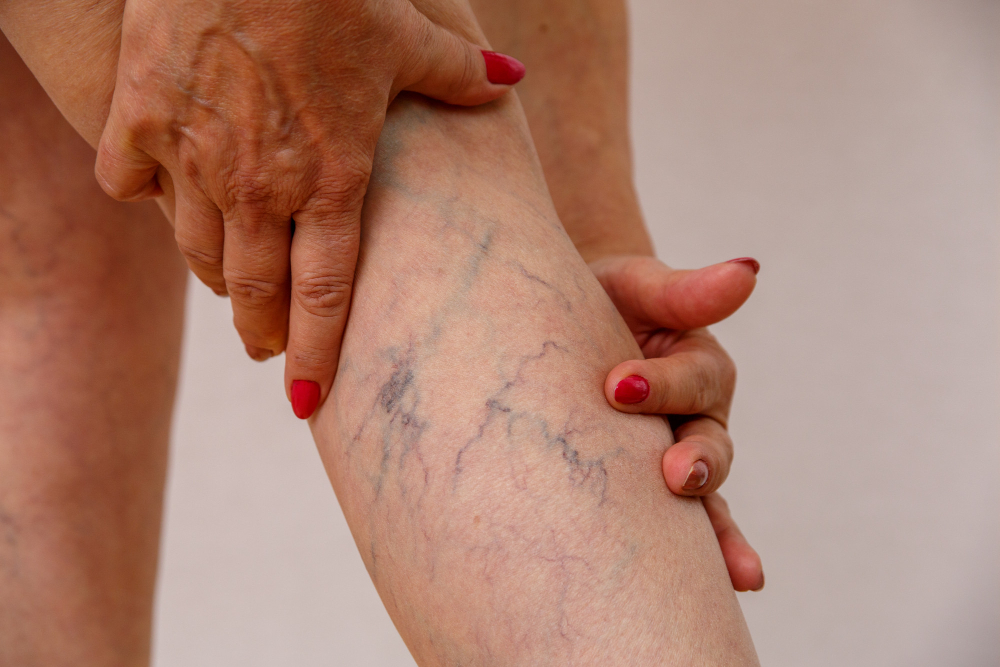
 When we get a scrape or cut, a blood clot forms to prevent excessive bleeding. While blood clotting is essential, this natural biological process can also pose a risk for some people. Sometimes, blood clots form when there isn’t a cut or scrape to mend. Sometimes, they form in large veins that are deep within the body. This is referred to as deep vein thrombosis. The DVT clots usually develop in the thighs or lower leg, and can pose a serious risk to one’s health.
According to the Centers for Disease Control and Prevention, every year, between 300,000 and 600,000 Americans have deep vein thrombosis or pulmonary embolism. This is the big concern related to DVT blood clots, that part of the clot will break loose and travel through the blood to the lung. Pulmonary embolism, the clot that is lodged in the lung, can be life-threatening. For this reason, a vascular specialist may perform a venous thrombectomy procedure.
Venous Thrombectomy Procedure
In most cases of deep vein thrombosis, the clot may be treated with medications such as anticoagulants and thrombolytics. These methods may not be sufficient for some people, or may not be appropriate based on their medical history or current condition. In such cases, the vascular surgeon may remove the clot using the minimally invasive thrombectomy technique.
Historically, the venous thrombectomy procedure had been performed as an open surgery. While typically reserved for people with a clot high in the thigh area, the open technique carried a risk of serious bleeding, so was rather controversial. Today, the procedure is much, much less invasive. So much so that it may be performed on an outpatient basis. The procedure takes 2 to 3 hours and is performed with local anesthesia and IV sensation, not general anesthesia. To remove the clot, the surgeon makes a small incision in the groin and inserts a thin catheter into the femoral vein. The surgeon is guided to the clot by contrast dye. When the clot is reached, it is broken up into very small particles.
After venous thrombectomy, patients are up and walking the same day. It is necessary to rest and walk repeatedly for up to 6 hours after the procedure. This facilitates optimal healing within the vein. Compression stockings may be worn for some time, and patients may take antibiotics and prescription pain medication to assist with healing.
Minimally Invasive Vascular Institute in Laurel, MD offers professional services that help you live your fullest life. To schedule your visit, contact us at (855) 803-MIVC (6482).