
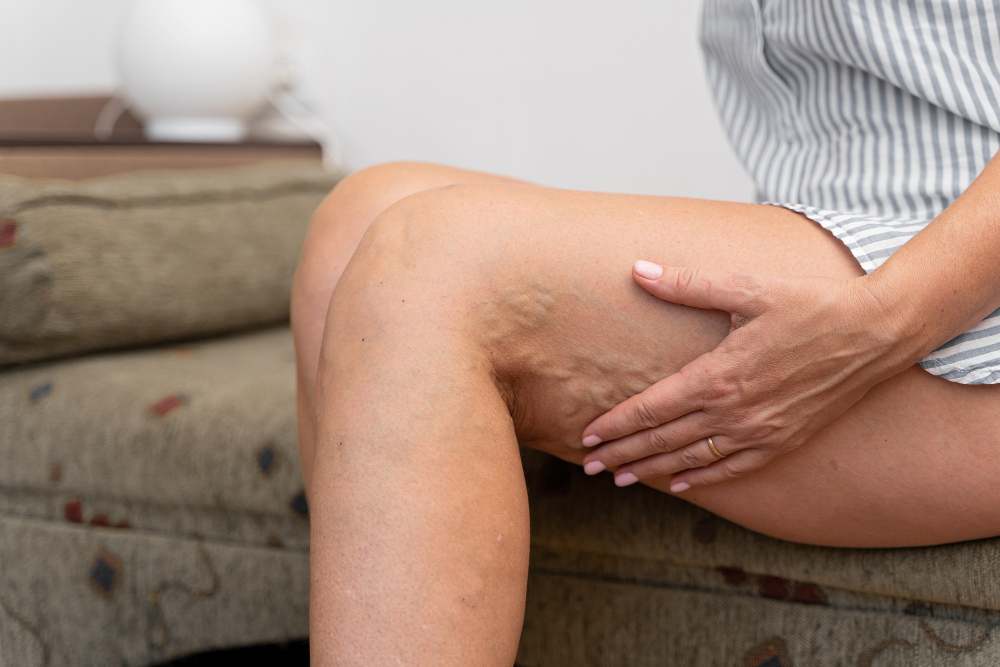
 Blockage or narrowing of the arteries in the arms or legs is referred to as peripheral arterial disease (PAD). Without sufficient blood circulation through the limbs, a person may experience symptoms such as pain when they walk or exercise. PAD occurs when plaque builds up on the inner walls of the arteries. Plaque is a combination of sticky calcium and cholesterol that have accumulated in the blood. Without treatment, symptoms may persist or worsen.
The standard treatment for peripheral arterial disease is to first make healthy lifestyle changes. Prescription medication may also be recommended to ease symptoms and lower the risk of stroke and heart attack associated with arterial plaque. In some cases, angioplasty or bypass surgery may also be necessary.
However, medical intervention does not eliminate the need for healthy diet and exercise choices such as:
- Avoiding cigarettes and tobacco use.
- Manage coexisting health conditions such as high cholesterol and diabetes.
- Lead a heart-healthy lifestyle that includes a balanced diet and consistent weight management.
- Take blood-thinning medication as recommended by your doctor.
Medical Intervention for Peripheral Arterial Disease
If pain persists, a vascular surgeon may be consulted. Common treatments for PAD include angioplasty and bypass surgery.
Angioplasty is a minimally-invasive procedure that involves the insertion of a catheter into a blood vessel in the groin. The catheter is directed to the artery that has narrowed or been blocked. At the area of narrowing, a balloon on the catheter is inserted. This presses the plaque against the arterial wall, opening space for circulation.
Bypass surgery is conducted to create a detour for circulation to flow around the blocked or narrowed arteries. This procedure is performed with either regional or general anesthesia to make the patient completely comfortable. To conduct a bypass, the surgeon secures grafts to areas of the obstructed artery that lead circulation around the blockage. Approximately 2 weeks after a bypass, patients are able to resume most normal activities.
Angioplasty and bypass surgery may be advisable in cases of severe PAD where exercise and medication have not alleviated symptoms. In some instances, a combination of procedures, medications, and lifestyle achieves optimal results.
Consult with an experienced vascular surgeon about peripheral arterial disease. Call (855) 803-MIVC (6482) to schedule a visit at our Laurel, MD office.